Get Tree Canopy Thinning in Denver, CO
Tree Canopy Thinning services help Denver property owners improve air circulation, reduce storm damage risk, and enhance landscape aesthetics through professional pruning and thinning.
Tree canopy thinning services are often sought after by property owners in Denver, CO to improve the overall health and structure of their trees. Removing excess branches can reduce weight and stress on the tree, helping to prevent potential damage during storms or high winds. This process also enhances air circulation and sunlight penetration, contributing to a more vibrant and resilient landscape that supports healthy growth and extends the longevity of the trees.
In addition to promoting tree vitality, canopy thinning can improve safety by reducing the risk of falling branches and debris. It also enhances the curb appeal by creating a cleaner, more balanced appearance that complements the property’s landscape. Property owners may also find that thinning decreases ongoing maintenance needs, as fewer overgrown branches mean less pruning and cleanup over time. Overall, professional canopy thinning provides a practical way to maintain a safe, attractive, and functional outdoor environment.
- Tree canopy thinning services are needed when overgrown branches pose safety hazards or obstruct views in urban areas like Denver, CO.
- These services are appropriate for properties experiencing excessive leaf or branch density that impacts sunlight penetration and air circulation.
- Property owners seeking to improve tree health and reduce storm damage risk may consider canopy thinning in residential or commercial landscapes.
- Urban areas with limited space might require canopy reduction to prevent interference with power lines or nearby structures.
- Tree canopy thinning can be essential following storm damage or in preparation for seasonal maintenance to ensure safety and proper growth.
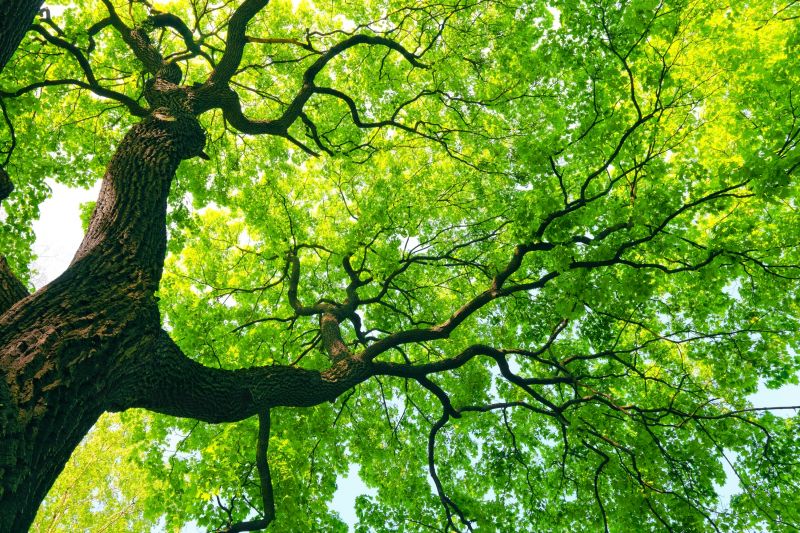
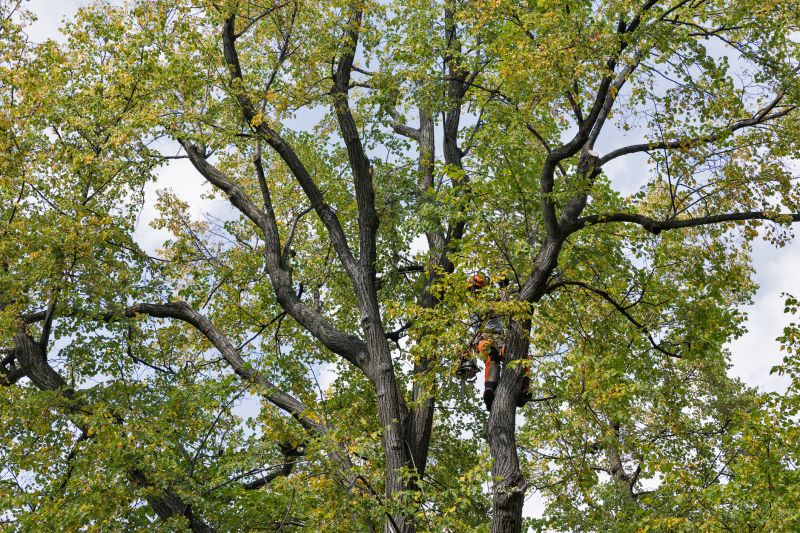
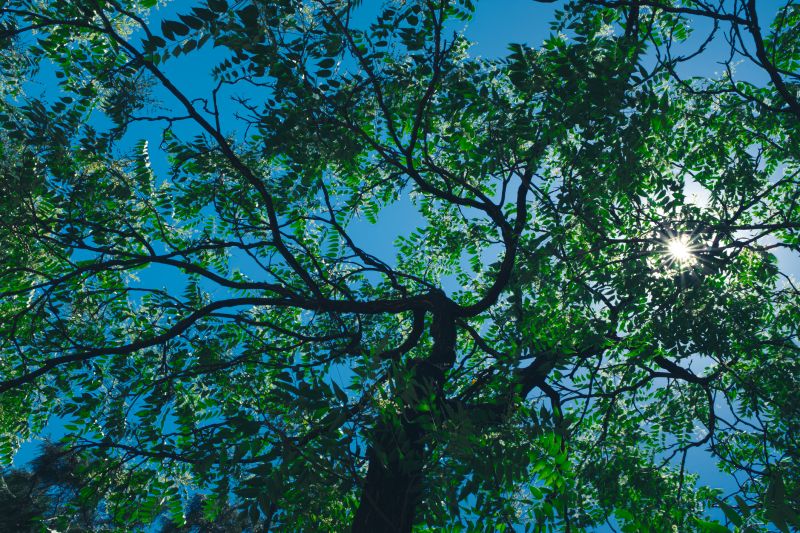
Tree canopy thinning services involve selectively reducing the density of branches and foliage in mature trees to improve their overall health and safety. This process typically includes removing dead or overgrown branches, opening up the canopy to allow more sunlight to reach lower limbs and the ground, and decreasing weight on the tree’s structure. Tree care professionals use specialized techniques to ensure the thinning is balanced and preserves the tree’s natural shape while promoting better airflow and light penetration. Proper canopy thinning can help maintain the aesthetic appeal of the landscape while supporting the long-term vitality of the trees.
One of the primary issues that canopy thinning addresses is the risk of falling branches or entire trees, especially in areas prone to storms or high winds. Overgrown or weak branches can become hazards to people, vehicles, or property. Additionally, dense canopies can sometimes contribute to the spread of disease or pests by trapping moisture and limiting airflow. Thinning helps mitigate these problems by reducing the load on the tree’s limbs, decreasing the likelihood of branch failure, and improving overall tree health. It can also enhance visibility and light for nearby structures or landscaping features.
Properties that typically utilize tree canopy thinning services include residential yards, commercial properties, parks, and public spaces. In residential settings, thinning can improve safety around homes and driveways while enhancing the visual appeal of the landscape. Commercial properties often use canopy thinning to maintain safety standards and ensure that trees do not obstruct signage or views. Parks and municipal spaces benefit from thinning to manage large tree populations, reduce maintenance costs, and promote healthy growth across diverse urban or suburban environments. The service is suitable for any property where mature trees are present and require maintenance to prevent hazards or improve health.
Professional tree canopy thinning services are performed by local experts who assess each tree’s condition and determine the appropriate approach. These specialists use industry-standard practices to carefully remove excess branches without damaging the tree’s structure. By addressing overgrowth and structural concerns, they help prolong the life of the trees and contribute to a safer, more attractive landscape. Property owners interested in maintaining healthy, well-shaped trees can contact local service providers to discuss the options available for their specific needs and property types.
The overview below groups typical Tree Canopy Thinning projects into broad ranges so you can see how smaller, mid-sized, and larger jobs often compare in Denver, CO.
In many markets, a large share of routine jobs stays in the lower and middle ranges, while only a smaller percentage of projects moves into the highest bands when the work is more complex or site conditions are harder than average.
Per-Tree Cost - Tree canopy thinning typically costs between $100 and $500 per tree, depending on size and complexity. Smaller trees may be on the lower end, while larger or more mature trees can increase the expense.
Hourly Rates - Service providers often charge between $75 and $150 per hour for canopy thinning services. The total cost depends on the number of trees and the scope of work involved.
Project-Based Pricing - For larger projects, costs can range from $1,000 to $5,000 or more. This varies based on the number of trees, their size, and specific thinning requirements.
Additional Factors - Costs may vary depending on accessibility, tree health, and local market rates. Contact local pros for tailored estimates based on specific canopy thinning needs.
Actual totals will depend on details like access to the work area, the scope of the project, and the materials selected, so use these as general starting points rather than exact figures.
Tree Canopy Thinning services involve selectively reducing the density of tree foliage to improve air circulation and light penetration, which can support healthier growth. Local service providers can assist with professional thinning to maintain the safety and aesthetics of urban and residential landscapes.
Urban Tree Management includes canopy thinning as part of broader efforts to manage tree health and structure in city environments, helping to prevent potential hazards from overgrown branches. Professionals can evaluate and perform thinning to enhance safety and tree vitality.
Tree Health Optimization services often incorporate canopy thinning to reduce stress on trees, promote new growth, and improve overall vitality. Local arborists can determine appropriate thinning strategies tailored to specific tree species and conditions.
Storm Damage Prevention involves canopy thinning to reduce the risk of branch breakage during storms, protecting property and public safety. Experienced service providers can assess and carefully thin trees to minimize storm-related hazards.
Landscape Improvement projects may include tree canopy thinning to create better sightlines, improve views, and enhance landscape aesthetics. Local pros can carry out thinning to achieve desired visual and functional landscape goals.
Tree Maintenance and Care encompasses canopy thinning as a routine practice to sustain tree health, structure, and appearance. Contact local specialists for professional thinning services tailored to individual tree needs.
When evaluating local professionals for tree canopy thinning services, it is important to consider their experience in handling similar projects within the Denver area. Homeowners should inquire about the length of time a contractor has been performing tree thinning, as well as their familiarity with the specific types of trees and landscape conditions common to the region. A seasoned professional can provide insights into best practices and potential challenges, helping ensure the work is completed effectively and with attention to the unique characteristics of local flora.
Clear communication about project expectations is essential when selecting a tree canopy thinning service provider. Reputable local pros typically outline the scope of work, discuss any necessary preparatory steps, and explain their approach to thinning to maintain the health and aesthetics of the trees. Homeowners should seek providers who are transparent about their methods and who are willing to answer questions, ensuring that expectations are aligned before work begins.
References from previous clients and a reputation for professionalism can greatly assist in choosing a reliable service provider. Homeowners are encouraged to request written references or reviews that highlight the contractor’s experience, reliability, and quality of work. Consistent, positive feedback from past clients often indicates a contractor’s ability to communicate effectively, adhere to agreed-upon expectations, and deliver satisfactory results. By considering these factors, homeowners can identify local pros who are well-regarded within the community for their expertise and professionalism in tree canopy thinning services.
Property owners in Denver, CO use Tree Canopy Thinning services for practical projects around their homes and businesses. The sections below highlight everyday jobs and straightforward project options.
Tree canopy thinning services are often sought by property owners in Denver, CO to manage the health and safety of their trees. Overgrown or densely branched trees can pose risks during storms or heavy winds, potentially causing damage to property or power lines. Additionally, thinning can help improve airflow and sunlight penetration, promoting the overall vitality of the remaining branches and trees.
Property owners may also consider canopy thinning to enhance the appearance of their landscape or to comply with local regulations. Removing excessive or problematic branches can prevent future issues such as disease spread or branch failure. Local service providers can assist with careful and effective thinning to maintain the safety and aesthetic appeal of trees in residential or commercial properties.
What is tree canopy thinning? Tree canopy thinning involves selectively removing branches to improve tree health, reduce weight, and enhance safety by increasing airflow and light penetration.
Why consider tree canopy thinning? Professionals recommend canopy thinning to promote healthier growth, prevent branch failure, and maintain the safety and appearance of trees in residential or commercial areas.
How do local pros perform canopy thinning? Trained arborists use specialized pruning techniques to carefully reduce canopy density, ensuring the tree’s structure remains balanced and healthy.
Is canopy thinning suitable for all tree types? While many trees benefit from canopy thinning, it’s best to consult with local experts to determine if the technique is appropriate for specific species and conditions.
How often should canopy thinning be done? The frequency depends on the tree’s species, age, and growth rate; a professional assessment can help determine the ideal maintenance schedule.
Tree Canopy Thinning Benefits - Thinning tree canopies can improve sunlight exposure and airflow, promoting healthier growth. Local pros can assess your trees to determine appropriate thinning strategies.
Tree Canopy Thinning Techniques - Professionals use selective pruning to reduce canopy density while maintaining tree health and aesthetic appeal. Contact local experts to discuss suitable techniques for your landscape.
Signs You Need Canopy Thinning - Overgrown or dense canopies may indicate the need for thinning to prevent limb stress and improve overall tree vitality. Local service providers can evaluate your trees to identify necessary interventions.
Choosing Tree Canopy Thinning Services - Connecting with experienced local contractors ensures proper assessment and execution of canopy thinning tailored to your trees’ needs. Reach out to find qualified professionals in your area.
Considering Tree Canopy Thinning for a property in Denver, CO? The sections above highlight common project types, practical options, and details that often shape the scope of work.
When you are ready, use the quote form to share a few details about your project. Local pros can review the basics and respond with options that match what you have in mind.